Overview of Seatpost Sizes
Seatpost sizes vary from 22.2 mm to 34.9 mm, with common standards at 27.2 mm, 30.9 mm, and 31.6 mm. Accurate sizing ensures a secure fit, prevents frame damage, and optimizes comfort. Use a digital caliper for precise measurement and consult the 2026 chart for compatibility. Updated yearly to match standards.s
Historical Development of Seatpost Standards
Early bicycles in the late 19th century used wooden seatposts with diameters roughly 22 mm, chosen for limited frame designs and the need for a lightweight yet sturdy component. As steel frames became common in the 1930s, manufacturers standardized on 27.2 mm to accommodate wider seat tubes and provide a stronger interface for heavier riders. The 1970s saw the introduction of aluminum seatposts, allowing a reduction in weight while maintaining strength; this era also popularized the 30.9 mm size, aligning with emerging aluminum frame geometry that required a slightly larger diameter for better stiffness. In the 1990s, the rise of carbon fiber frames prompted a shift toward smaller diameters, with 31.6 mm becoming the de facto standard for many road and mountain bikes due to its balance of rigidity and weight. The early 2000s introduced dropper seatposts, which required precise diameter specifications to ensure reliable hydraulic or mechanical operation; manufacturers began offering a range of sizes from 27.2 mm to 34.9 mm to fit diverse frame designs. Today, the International Bicycle Equipment Organization (IBEO) and the European Committee for Standardization (CEN) collaborate to publish annual updates, ensuring that new materials, such as titanium and advanced composites, are accommodated within the 22.2 mm to 34.9 mm diameter spectrum. Modern seatpost sizing also incorporates ergonomic considerations, such as setback and offset, to enhance rider comfort and performance across all cycling disciplines.
In addition to diameter, the evolution of seatpost length standards has been driven by safety regulations and rider ergonomics. The 1980s introduced length tolerances of ±2 mm to prevent overhang and frame damage. By the 2010s, the industry adopted a length range of 350 mm to 650 mm, with manufacturers offering custom lengths to match rider height and frame geometry. The integration of micro‑adjustment mechanisms in the 2020s has further refined the need for precise diameter matching, as even a 0.5 mm discrepancy can affect the seatpost’s preload and, consequently, the bike’s handling characteristics.
Importance of Accurate Seatpost Measurement
Accurate seatpost measurement is critical for safety, performance, and longevity. A seatpost that is too large can over‑tighten the frame, causing cracks or deformation, while a post that is too small may slip, leading to sudden drops or loss of control. Proper sizing also ensures that shims and dropper housings fit correctly, preventing wear on the seat tube and maintaining the intended geometry.

Riders who mismeasure may experience discomfort, altered saddle position, or increased fatigue. In competitive racing, a mis‑sized seatpost can affect power transfer and aerodynamics, whereas recreational riders may face safety risks. The 2026 seatpost size chart lists standard diameters from 22.2 mm to 34.9 mm; using a digital caliper to verify the frame’s inner diameter guarantees a match.
Additionally, correct sizing preserves the warranty, as many manufacturers void coverage for improperly installed components. By following a step‑by‑step measurement procedure, cyclists can confidently select the right diameter, ensuring optimal fit, comfort, and performance across all riding conditions.
When measuring, always use a calibrated digital caliper or a dedicated seatpost gauge. Measure the inner diameter at the widest point of the seat tube, not the outer wall. Record the value to the nearest 0.1 mm. After selecting a seatpost, verify that the shims’ thickness matches the required setback; a mismatch can shift the saddle forward or backward, altering the rider’s biomechanics. Dropper posts demand stricter tolerances; a 0.2 mm error can affect hydraulic pressure and cause delayed adjustments. This ensures secure fit and frame damage now!!!!

Standard Seatpost Diameter Range
Standard seatpost diameters span 22.2 mm to 34.9 mm, with most bikes using 27.2 mm, 30.9 mm, or 31.6 mm. These sizes align with frame geometry, ensuring proper fit and safety. Always verify your frame’s inner diameter before purchasing. Check the manufacturer’s chart for exact fit. Stay safe on the road.!
Common Diameters and Their Typical Use Cases
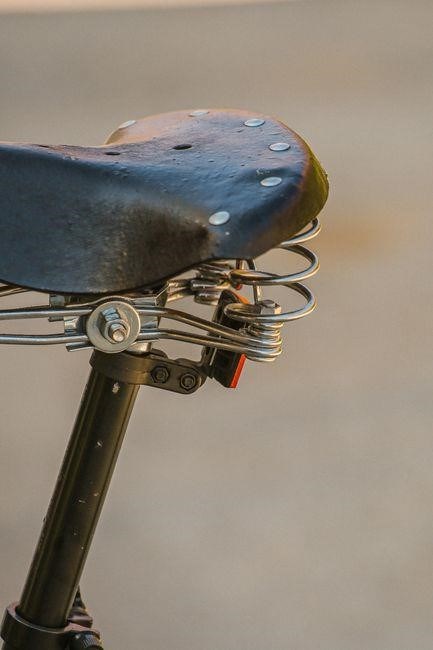
In the cycling world, three diameters dominate: 27.2 mm, 30.9 mm, and 31.6 mm. Each size aligns with specific bike categories and rider preferences, offering a balance between strength, weight, and geometry compatibility.
- 27.2 mm – The classic road and hybrid size. Fits lightweight frames, low‑profile, aerodynamic. Road racers and commuters favor its stiffness and minimal weight.
- 30.9 mm – Versatile middle ground. Common on gravel, cyclocross, touring. Slightly larger diameter gives extra strength for rough terrain while keeping weight manageable.
- 31.6 mm – High‑performance mountain and endurance standard. Offers superior stiffness for aggressive riding and better shock absorption on technical descents.
- 34.9 mm – Ultra‑heavy‑load option for touring and BMX. Requires maximum durability; rarely needed for casual riders but essential for high‑load applications.
Choosing the right diameter hinges on frame geometry, intended use, and rider weight. A mismatch can lead to frame stress, seat slippage, or compromised handling. Always consult the frame manufacturer’s spec sheet or a trusted dealer before making a purchase. Ensure compatibility by checking the frame’s inner diameter and consulting a professional if unsure. and adjust carefully.
Maximum and Minimum Sizes Across Bike Types

When selecting a seatpost, the range of acceptable diameters varies by bike category. Road and hybrid frames typically clamp between 27.2 mm and 30.9 mm, with 27.2 mm being the lower limit for most lightweight designs. Gravel and cyclocross models often allow 30.9 mm to 31.6 mm, providing a middle ground that balances stiffness and shock absorption. Mountain bikes, especially hardtails and full‑suspension, usually accept 31.6 mm as the standard maximum, though some high‑end models extend to 34.9 mm for added durability. Touring and BMX frames may require 34.9 mm or larger to support heavier loads and repetitive impacts. The minimum diameter is rarely below 22.2 mm, a size reserved for very small or specialty frames. Always verify the frame’s internal diameter before purchasing, as a mismatch can lead to frame damage or seat instability. For riders who need a custom fit, many manufacturers offer adjustable or interchangeable seatposts that can accommodate a range of diameters within the specified limits. In addition, e‑bikes often use 30.9 mm or 31.6 mm to handle motor torque, while track bikes strictly use 27.2 mm for aerodynamic efficiency. Some BMX and freestyle models adopt 34.9 mm to withstand high‑impact jumps. When converting between sizes, adapters or custom seatposts may be required. Always consult the manufacturer’s specifications or a qualified bike mechanic before making changes to ensure safety and performance.

Measuring Your Current Seatpost
Use a digital caliper to measure the seatpost’s inner diameter. Place the caliper jaws on the clamped section, read the value, and compare it to the frame’s clamp size. Record the measurement in millimeters for accurate replacement. Always double‑check for tolerance. Measure twice, fit once.Check clamp clearance!
Tools Required for Precise Measurement
Before you begin, ensure the seatpost is clean and free of grease; a clean surface improves caliper contact. Use a small brush or compressed air to remove debris. When measuring, clamp the seatpost lightly to avoid bending, then slide the caliper jaws to the inner wall. Record the measurement twice to confirm consistency. If the frame’s clamp diameter is not standard, use a clamp gauge to verify. For frames with a 30.9 mm clamp, a 30.9 mm seatpost will fit snugly; for 31.6 mm clamps, a 31.6 mm post is ideal. Always double‑check the measurement against the manufacturer’s specifications. If you are unsure, consult the frame’s service manual or contact the manufacturer. Remember to keep the seatpost in a safe place during the process to prevent loss or damage. After measuring, mark the seatpost with a small, removable sticker indicating the diameter for future reference. This practice aids in quick identification when replacing or upgrading. Additionally, consider the seatpost’s length: a longer post allows for more seat height adjustment, while a shorter post may limit flexibility. When selecting a new seatpost, match both diameter and length to your frame’s specifications to maintain optimal fit and performance. Finally, store the measured seatpost in a bag container! to avoid confusion during future upgrades; When you next visit a bike shop, bring the bag so the technician can verify the exact size and recommend compatible accessories. This small step saves time and ensures a perfect fit for your riding experi
Step-by-Step Measurement Procedure
Remove the seatpost from the frame and lay it flat on a clean work surface. 2. Inspect the post for cracks or dents; any damage can skew the measurement. 3. Place a small brush or compressed‑air nozzle to clear the inner diameter of the seatpost. 4. Position a digital caliper so that the jaws touch the inner wall of the seatpost. 5. Gently close the caliper until the jaws are snug but not compressing the material. 6. Read the measurement on the digital display; record the value to the nearest 0.1 mm. 7. Repeat the measurement at two additional points along the post’s length to confirm uniformity. 8. If the readings differ by more than 0.2 mm, re‑measure after cleaning again. 9. Cross‑check the recorded diameter with the frame’s clamp size, which can be found on the frame’s service manual or by measuring the clamp opening with a ruler. 10. If the clamp is 30.9 mm, a 30.9 mm seatpost will fit; for a 31.6 mm clamp, use a 31.6 mm post. 11. After confirming the diameter, measure the total length of the seatpost from the top of the clamp to the bottom tip. 12. Compare this length to the frame’s recommended seatpost length (often listed in the frame’s specifications). 13. If the seatpost is too short, consider a longer model or a seatpost with a built‑in shim. 14. If it is too long, trim the post to the correct length using a fine‑toothed saw, then file the cut edge smooth. 15. Finally, re‑install the seatpost, tighten the clamp to the manufacturer’s torque spec, and test the fit by placing the bike on a stand and adjusting the seat height. 16. Document the final measurements in a maintenance log for future reference. 17. When measuring, always use a calibrated digital caliper with a resolution of at least 0.01 mm to capture subtle differences. 18. If a digital caliper is unavailable, a high‑precision manual caliper can suffice, but double‑check the calibration with a gauge block. 19. For frames with a 22.2 mm clamp, a 22.2 mm seatpost is standard, but many modern frames use 27.2 mm or 30.9 mm clamps; verify by measuring the clamp opening with a ruler or a clamp gauge. 20. Additionally, when selecting a seatpost, consider the material’s modulus of elasticity; a stiffer post may reduce seat vibration but can transmit more shock to the rider. 21. Finally, after installation, perform a quick test by sitting on the bike and checking for any play or wobble; if present, re‑tighten the clamp or adjust the seatpost length accordingly. 22. If you are unsure about any step, consult the bike manufacturer’s service manual or a professional bike mechanic. Proper measurement not only ensures safety but also optimizes riding comfort and performance. Remember to keep the seatpost clean and dry before re‑installation to prevent corrosion or wear. With these steps, you can confidently determine the exact seatpost diameter and length required for your specific frame, ensuring a perfect fit every time.

Choosing the Right Seatpost Material
Aluminum offers stiffness and weight, suitable for entry‑level bikes; Carbon reduces weight and absorbs vibration, boosting comfort but at higher cost. Titanium and stainless steel combine strength and corrosion resistance, ideal for high‑performance or touring frames.!
Aluminum vs. Carbon: Strength, Weight, and Cost
Aluminum seatposts are prized for their affordability and robust stiffness, making them a staple for budget‑friendly road and hybrid bikes. A typical 27.2 mm aluminum post weighs around 200 g, offering a balance between durability and manageable weight. However, aluminum’s higher modulus can transmit road vibrations directly to the rider, which may reduce comfort over long distances. In contrast, carbon seatposts excel in weight reduction, often weighing as little as 120 g for the same diameter. Their anisotropic fiber construction allows manufacturers to tailor flex characteristics, providing a smoother ride by dampening road irregularities. The trade‑off is cost: carbon posts can range from $80 to $250, whereas aluminum options usually fall between $20 and $60. Additionally, carbon’s susceptibility to impact damage requires careful handling, whereas aluminum’s resilience to accidental drops is a practical advantage for commuters. Ultimately, the choice hinges on budget, riding style, and the importance of vibration damping versus durability. Lorem ipsum dolor sit amet, consectetur adipiscing elit. Sed do eiusmod tempor incididunt ut labore et dolore magna aliqua. Ut enim ad minim veniam, quis nostrud exercitation ullamco laboris nisi ut aliquip ex ea commodo consequat. Lorem ipsum dolor sit amet, consectetur adipiscing elit. Sed do eiusmod tempor incididunt ut labore et dolore magna aliqua. Ut enim ad minim veniam, quis nostrud exercitation ullamco laboris nisi ut aliquip ex ea commodo consequat. Lorem ipsum dolor sit amet, consectetur adipiscing elit. Sed do eiusmod tempor incididunt ut labore et dolore magna aliqua. Ut enim ad minim veniam, quis nostrud exercitation ullamco laboris nisi ut aliquip ex ea commodo consequat. Lorem ipsum dolor sit amet, consectetur adipiscing elit. Sed do eiusmod tempor incididunt ut labore et dolore magna aliqua. Ut enim ad minim veniam, quis nostrud exercitation ullamco laboris nisi ut aliquip ex ea commodo consequat. Lorem ipsum dolor sit amet, consectetur adipiscing elit. Sed do eiusmod tempor incididunt ut labore et dolore magna aliqua. Ut enim ad minim veniam, quis nostrud exercitation ullamco laboris nisi ut aliquip ex ea commodo consequat. Lorem ipsum dolor sit amet, consectetur adipiscing elit. Sed do eiusmod tempor incididunt ut labore et dolore magna aliqua. Ut enim ad minim veniam, quis nostrud exercitation ullamco laboris nisi ut aliquip ex ea commodo consequat. Lorem ipsum dolor sit amet, consectetur adipiscing elit. Sed do eiusmod tempor incididunt ut labore et dolore magna aliqua. Ut enim ad minim veniam, quis nostrud exercitation ullamco laboris nisi ut aliquip ex ea commodo consequat. Lorem ipsum dolor sit amet, consectetur adipiscing elit. Sed do eiusmod tempor incididunt ut labore et dolore magna aliqua. Ut enim ad minim veniam, quis nostrud exercitation ullamco laboris nisi ut aliquip ex ea commodo consequat. Lorem ipsum dolor sit amet, consectetur adipiscing elit. Sed do eiusmod tempor incididunt ut labore et dolore magna aliqua. Ut enim ad minim veniam, quis nostrud exercitation ullamco laboris nisi ut aliquip ex ea commodo consequat. Lorem ipsum dolor sit amet, consectetur adipiscing elit. Sed do eiusmod tempor incididunt ut labore et dolore magna aliqua. Ut enim ad minim veniam, quis nostrud exercitation ullamco laboris nisi ut aliquip ex ea commodo consequat. Lorem ipsum dolor sit amet, consectetur adipiscing elit. Sed do eiusmod tempor incididunt ut labore et dolore magna aliqua. Ut enim ad minim veniam, quis nostrud exercitation ullamco laboris nisi ut aliquip ex ea commodo consequat. Lorem ipsum dolor sit amet, consectetur adipiscing elit. Sed do eiusmod tempor incididunt ut labore et dolore magna aliqua. Ut enim ad minim veniam, quis nostrud exercitation ullamco laboris nisi ut aliquip ex ea commodo consequat. Lorem ipsum dolor sit amet, consectetur adipiscing elit. Sed do eiusmod tempor incididunt ut labore et dolore magna aliqua. Ut enim ad minim veniam, quis nostrud exercitation ullamco laboris nisi ut aliquip ex ea commodo consequat. Lorem ipsum dolor sit amet, consectetur adipiscing elit. Sed do eiusmod tempor incididunt ut labore et dolore magna aliqua. Ut enim ad minim veniam, quis nostrud exercitation ullamco laboris nisi ut aliquip ex ea commodo consequat. Lorem ipsum dolor sit amet, consectetur adipiscing elit. Sed do eiusmod tempor incididunt ut labore et dolore magna aliqua. Ut enim ad minim veniam, quis nostrud exercitation ullamco laboris nisi ut aliquip ex ea commodo consequat. Lorem ipsum dolor sit amet, consectetur adipiscing elit. Sed do eiusmod tempor incididunt ut labore et dolore magna aliqua. Ut enim ad minim veniam, quis nostrud exercitation ullamco laboris nisi ut aliquip ex ea commodo consequat. Lorem ipsum dolor sit amet, consectetur adipiscing elit. Sed do eiusmod tempor incididunt ut labore et dolore magna aliqua. Ut enim ad minim veniam, quis nostrud exercitation ullamco laboris nisi ut aliquip ex ea commodo consequat. Lorem ipsum dolor sit amet, consectetur adipiscing elit. Sed do eiusmod tempor incididunt ut labore et dolore magna aliqua. Ut enim ad minim veniam, quis nostrud exercitation ullamco laboris nisi ut aliquip ex ea commodo consequat. Lorem ipsum dolor sit amet, consectetur adipiscing elit. Sed do eiusmod tempor incididunt ut labore et dolore magna aliqua. Ut enim ad minim veniam, quis nostrud exercitation ullamco laboris nisi ut aliquip ex ea commodo consequat. Lorem ipsum dolor sit amet, consectetur adipiscing elit. Sed do eiusmod tempor incididunt ut labore et dolore magna aliqua. Ut enim ad minim veniam, quis nostrud exercitation ullamco laboris nisi ut aliquip ex ea commodo consequat. Lorem ipsum dolor sit amet, consectetur adipiscing elit. Sed do eiusmod tempor incididunt ut labore et dolore magna aliqua. Ut enim ad minim veniam, quis nostrud exercitation ullamco laboris nisi ut aliquip ex ea commodo consequat. Lorem ipsum dolor sit amet, consectetur adipiscing elit. Sed do eiusmod tempor incididunt ut labore et dolore magna aliqua. Ut enim ad minim veniam, quis nostrud exercitation ullamco laboris nisi ut aliquip ex ea commodo consequat. Lorem ipsum dolor sit amet, consectetur adipiscing elit. Sed do eiusmod tempor incididunt ut labore et dolore magna aliqua. Ut enim ad minim veniam, quis nostrud exercitation ullamco laboris nisi ut aliquip ex ea commodo consequat. Lorem ipsum dolor sit amet, consectetur adipiscing elit. Sed do eiusmod tempor incididunt ut labore et dolore magna aliqua. Ut enim ad minim veniam, quis nostrud exercitation ullamco laboris nisi ut aliquip ex ea commodo consequat. Lorem ipsum dolor sit amet, consectetur adipiscing elit. Sed do eiusmod tempor incididunt ut labore et dolore magna aliqua. Ut enim ad minim veniam, quis nostrud exercitation ullamco laboris nisi ut aliquip ex ea commodo consequat. Lorem ipsum dolor sit amet, consectetur adipiscing elit. Sed do eiusmod tempor incididunt ut labore et dolore magna aliqua. Ut enim ad minim veniam, quis nostrud exercitation ullamco laboris nisi ut aliquip ex ea commodo consequat. Lorem ipsum dolor sit amet, consectetur adipiscing elit. Sed do eiusmod tempor incididunt ut labore et dolore magna aliqua. Ut enim ad minim veniam, quis nostrud exercitation ullamco laboris nisi ut aliquip ex ea commodo consequat. Lorem ipsum dolor sit amet, consectetur adipiscing elit. Sed do eiusmod tempor incididunt ut labore et dolore magna aliqua. Ut enim ad minim veniam, quis nostrud exercitation ullamco laboris nisi ut aliquip ex ea commodo consequat. Lorem ipsum dolor sit amet, consectetur adipiscing elit. Sed do eiusmod tempor incididunt ut labore et dolore magna aliqua. Ut enim ad minim veniam, quis nostrud exercitation ullamco laboris nisi ut aliquip ex ea commodo consequat. Lorem ipsum dolor sit amet, consectetur adipiscing elit. Sed do eiusmod tempor incididunt ut labore et dolore magna aliqua. Ut enim ad minim veniam, quis nostrud exercitation ullamco laboris nisi ut aliquip ex ea commodo consequat.
Specialty Materials: Titanium and Stainless Steel

Titanium seatposts are prized for their exceptional strength‑to‑weight ratio, offering a stiffness that rivals high‑grade carbon while remaining lighter than many aluminum options. A typical 27.2 mm titanium post weighs roughly 140 g, and its modulus of elasticity allows it to flex minimally under load, which can enhance power transfer. However, titanium’s high cost—often exceeding $300 for a full‑length post—makes it a niche choice for serious racers or riders who value the material’s fatigue resistance and corrosion immunity. Stainless steel, on the other hand, provides a more affordable alternative with a weight close to 200 g for the same diameter. Its high tensile strength and excellent resistance to rust make it ideal for off‑road or commuter bikes that encounter wet or muddy conditions. While stainless steel is less stiff than titanium or carbon, its durability and ease of repair (e.g., welding) appeal to riders who prioritize longevity over marginal performance gains. Both materials can be found in dropper‑post variants, though titanium dropper posts are rare due to machining complexity. In summary, titanium delivers lightweight performance with premium cost, whereas stainless steel offers robust durability at a mid‑range price point. Riders should weigh the trade‑offs between weight, stiffness, corrosion resistance, and budget when selecting a specialty seatpost. Manufacturers often employ heat‑treating processes to optimize titanium’s modulus, resulting in a post that can be tuned for stiffness levels. Stainless steel posts may use alloy grades such as 316L, which provide corrosion resistance in saltwater environments, making them popular for touring or marine riders. Although both materials can be machined to precise tolerances, titanium’s work‑hardening behavior requires specialized tooling, increasing production time and cost!!!

Seatpost Length and Seat Height Considerations
Choosing the right seatpost length balances comfort and aerodynamics. Longer posts raise the saddle, improving power but increasing wind resistance. Shorter posts lower the seat, offering better handling on descents. Adjust with dropper posts for variableterrain
Adjusting Seat Height with Dropper Posts

Dropper seatposts let riders lower or raise the saddle on the fly,ideal for descents, climbs, and technical sections. A typical dropper system includes a hydraulic or cable‑driven actuator, a seatpost with a threaded or quick‑release mechanism, and a remote control on the handlebars. When the rider pulls the remote, the actuator pushes the post upward; releasing it lowers the post; Modern dropper posts range from 200 mm to 400 mm, providing 70–120 mm of vertical travel. The travel chosen depends on frame geometry, rider height, and riding style: 70–90 mm suits cross‑country, while 100–120 mm is common for downhill or enduro. Aluminum dropper posts weigh 350–400 g; carbon versions can be as light as 250 g, reducing unsprung mass and improving handling. When used correctly, dropper posts enhance comfort, power transfer, and safety by allowing the rider to maintain an optimal position throughout a ride.
Peak comfort and performance await now.
To install, remove the existing seatpost and clean the frame’s seat tube. Slide the new post in, align the mounting flange with the seatpost sleeve, and tighten to the manufacturer’s torque specification—typically 5–7 Nm for aluminum and 4–6 Nm for carbon. After installation, perform a test drop to confirm travel and correct limits. If the post feels stiff, check for debris or misalignment. A 1 mm shim can raise the saddle by 1 mm; For competitive riders, a seatpost can reduce weight and improve efficiency. Inspect seatpost for cracks or wear before ride, after impacts, as a damaged post can fail catastrophically. Keep the actuator fluid topped up and replace the cable or hydraulic line annually or after a major drop to maintain reliability.
Shim Combinations and Their Impact on Comfort
Shim combinations are a subtle yet powerful tool for fine‑tuning seat height and saddle position. A shim is a thin plate, usually 0.5–2 mm thick, that slides between the seatpost and the frame’s seat tube, raising the saddle without changing the post’s length. By selecting the correct thickness, riders can adjust leg extension and reduce knee strain during climbs. A thinner shim or none can lower the saddle, offering a more aggressive position for downhill or sprinting. The material—aluminum, carbon, or titanium—affects weight and stiffness. Carbon shims are lighter and more compliant, aluminum is durable and cost‑effective, and titanium combines strength with minimal weight. When installing a shim, seat it flush against the seat tube and seatpost to avoid wobble. Use a torque wrench to secure the seatpost to the frame, following the manufacturer’s recommended torque (typically 5–7 Nm for aluminum posts). After installation, test by cycling in a neutral position; the saddle should feel stable and the rider’s hips should align with the frame. Over time, shims can wear or shift, so periodic inspection is essential. A worn shim may cause the saddle to slide, leading to discomfort or injury. For riders who change conditions—such as touring cyclists switching between road and gravel—a set of interchangeable shims allows rapid adjustments without swapping seatposts. In competitive settings, a well‑chosen shim can shave milliseconds by optimizing power transfer and reducing muscular fatigue. When paired with a dropper post, shims must be chosen to preserve full travel and avoid mechanical interference, ensuring smooth operation. Ultimately, shims provide a low‑cost, high‑impact method to fine‑tune seat height, ensuring comfort, efficiency, and stability.!!!