Recycling Schedule
Recycling is collected every other Wednesday from 7:00 a․m․ to 10:00 a․m․ in most Hennepin County neighborhoods․ Bulky items are picked up on the following Tuesday, and special pickups for electronics or hazardous waste are scheduled monthly․ Check the county website for local variations for your area․!?
Weekly Pickup Days and Hours
Hennepin County’s standard recycling schedule is designed to accommodate the diverse needs of its residents while maintaining efficient collection routes․ Residents receive a single bin for paper, cardboard, plastics, glass, and metal, and the county’s fleet arrives on a strict bi‑weekly cadence․ The primary pickup day is Wednesday, with the collection window opening at 7:00 a․m․ and closing at 10:00 a․m․ During this window, all bins must be positioned on the curb, fully closed, and ready for the truck to load․ The county’s system is engineered so that the same route is serviced every other week, allowing residents to plan their recycling habits around a predictable schedule․ For areas that fall under the “special pickup” program—such as those with high volumes of electronics or hazardous materials—an alternate date is assigned, typically the following Tuesday, to avoid congestion on the main route․ Residents in these zones receive a separate notification detailing the exact pickup day and any special instructions, such as the need to separate batteries or paint cans from other recyclables․ In addition to the regular Wednesday schedule, the county offers a monthly “special items” pickup on the first Friday of each month for items that do not fit into the standard bin categories․ This service is available to all residents who register online, and it allows the collection of items such as old appliances, large batteries, and certain types of paint․ By adhering to these pickup windows and ensuring that all recyclables are properly sorted, residents help maintain the integrity of the county’s recycling stream and reduce the likelihood of contamination․ For any questions regarding the schedule, residents are encouraged to consult the county’s online portal or call the customer service line, where staff can provide real‑time updates and clarify any local variations that may apply to specific neighborhoods or districts․ The county’s commitment to a reliable, transparent schedule underscores its broader goal of fostering a sustainable community that values responsible waste management and environmental stewardship․ Residents are also encouraged to review the county’s recycling guidelines annually to stay informed about any changes in pickup schedules or accepted materials․

Accepted Materials
Accepted materials: paper, cardboard, plastics (excluding thin films), glass, and metal cans․ Items must be clean, dry, and free of food residue․ Separate recyclables into the designated bins: paper in blue, plastics in green, glass in yellow, metal in red․ All items must be rinsed and sorted․ (no waste)․!
Paper, Cardboard, Plastics, Glass, Metal
Paper and cardboard are accepted in the blue bin․ Only clean, dry paper—newspapers, office paper, cardboard boxes—should be placed․ Remove tape, staples, and plastic wrappers․ Recycled paper must be free of food residue and not mixed with other materials․
Plastics go in the green bin․ Acceptable items include PET bottles (No․ 1), HDPE bottles (No․ 2), and other rigid plastic containers․ Avoid thin plastic films, bags, and plastic wrap․ Rinse containers to remove food residue․ Do not place plastic bottles with caps that are not made of the same material․
Glass is collected in the yellow bin․ Accept all clear, green, and brown glass bottles and jars․ Clean and dry them, and remove caps and lids․ Broken glass should be wrapped in newspaper before placing in the bin․ Do not mix glass with other recyclable materials․
Metal cans are placed in the red bin․ Accept aluminum and steel cans, including beverage cans and food cans․ Rinse cans to remove food residue․ Do not place metal objects that are not cans, such as foil or metal utensils, in the bin․
Additional guidelines: keep bins upright, avoid overfilling, and check local updates for special pickup days․ Proper sorting reduces contamination and improves recycling efficiency․ Follow county instructions for any changes in material acceptance․
Rinse all recyclables before placing them in the bin to avoid odors and contamination․ Do not use plastic bags for paper or glass; they can clog the collection system․ Check the county website for any schedule changes․ Thanks․!!
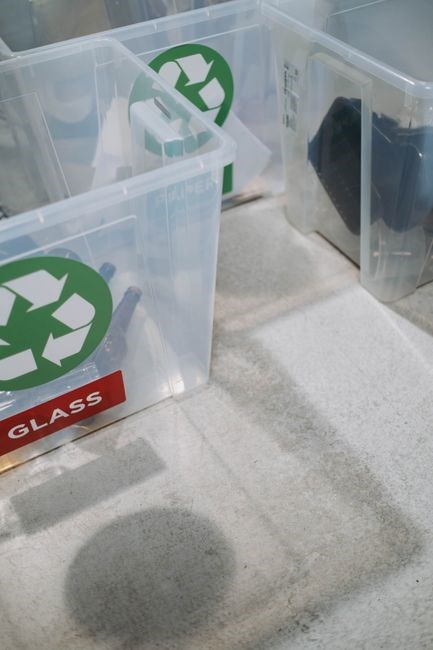
Recyclables That Are Not Accepted
Food scraps, grease, and any waste are diverted to compost․ Bulky items like mattresses, furniture, and appliances are collected on scheduled bulky‑item days․ Hazardous materials—paint, batteries, chemicals—must be dropped off at centers․ Check local rules now!!!
Food Waste, Bulky Items, Hazardous Materials
Food waste is not accepted in the regular curbside recycling bin․ Residents should divert organic scraps to the community compost program or home composting․ Keep food waste dry, free of grease, and avoid adding non‑organic materials․ The county’s compost sites accept fruit and vegetable peels, coffee grounds, eggshells, and yard clippings․ For bulky items, schedule a pickup on the designated “Bulky Item Day,” typically the Tuesday following the recycling pickup․ Items such as mattresses, furniture, appliances, and large appliances must be clean, free of hazardous chemicals, and placed in the curbside container on the pickup day․ If a bulky item is too large for curbside, it can be dropped off at a county facility or community center․ Hazardous materials—including batteries, paints, solvents, and chemicals—must never be placed in the recycling bin․ Instead, use the county’s Hazardous Waste Drop‑Off locations, which are listed on the Hennepin County website․ Always read the label for disposal instructions, and if a product contains lead or other toxins, follow the specific guidelines․ By separating these items properly, residents help protect the environment and keep the recycling stream clean․ Residents can use county compost bins, accepting up to 50 pounds of organic waste weekly․ Bulky pickups can be requested online or by phone; items should be disassembled to fit the curbside container․ Hazardous waste drop‑off sites accept batteries, paint cans, and automotive fluids, and labeling instructions․ plus
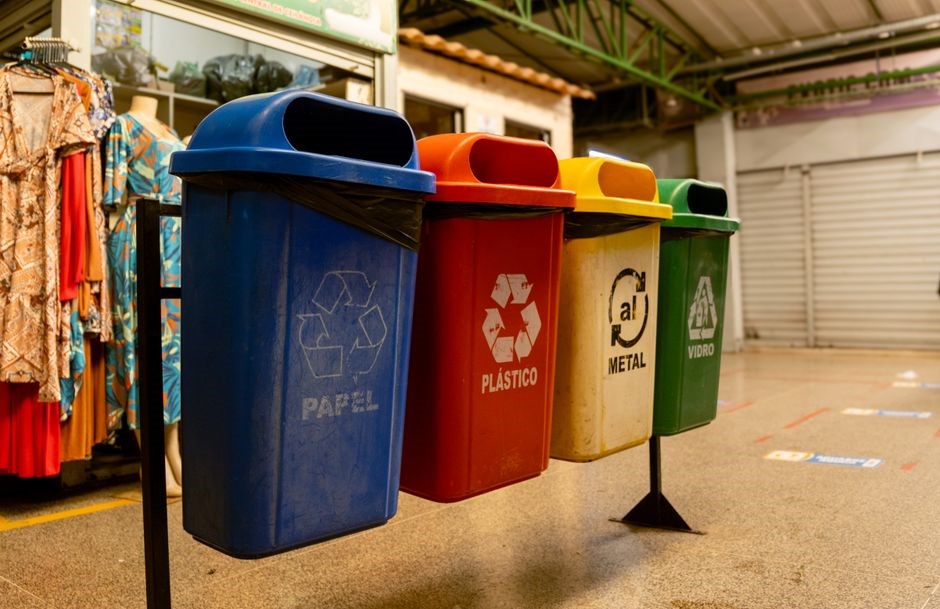
Special Recycling Programs
Hennepin County offers dedicated drop‑offs for electronics, batteries, paint, and tires․ Visit the county website for locations and hours․ Bring items clean, sealed, and ready for safe disposal․ These programs reduce landfill waste and protect the environment․ All items must be clean and ready for collection․Thanks
Electronic Waste, Batteries, Paint, Tires
Hennepin County’s Special Recycling Programs offer residents a convenient way to dispose of electronic waste, batteries, paint, and tires safely․ Each category has its own preparation guidelines and designated drop‑off locations, all listed on the county’s official website․
- Electronic Waste: Bring devices such as computers, printers, televisions, and cell phones․ Remove any built‑in batteries and any removable media․ Devices must be clean, free of hazardous substances, and ready for collection․ Drop‑offs occur monthly at community centers and at the county’s mobile recycling trucks․
- Batteries: All rechargeable and non‑rechargeable batteries—including lead‑acid, NiMH, Li‑ion, and alkaline—are accepted․ Place batteries in a sealed plastic bag to prevent leakage․ Batteries can be dropped at the same sites as electronics, and large quantities may be scheduled for pickup by contacting the county hotline․
- Paint: Only non‑hazardous, water‑based paint is accepted․ Empty containers must be rinsed, sealed, and placed in a sturdy bag․ Paint cans are accepted at quarterly paint recycling events, and hazardous paint must be taken to a designated hazardous waste facility․
- Tires: Old tires, including car, motorcycle, and garden tires, should be collected in a plastic bag․ Tires are accepted at the county’s tire recycling center, which operates on a bi‑weekly schedule․ Recycled rubber is used for playground surfaces and road construction․
All drop‑off sites provide collection bins and staff to guide residents․ The county also offers a mobile app that lists the nearest location, operating hours, and any special instructions․ Participation helps divert waste from landfills, supports local recycling initiatives, and encourages the refurbishment of usable devices through partnerships with community charities․
Drop-Off Locations
Residents can drop recyclables at Hennepin Green Disposal Centers in Minneapolis, Bloomington, and Edina․ Centers offer bins for paper, plastics, metals, electronics․ Community centers in Saint Paul and Brooklyn host weekly drop‑off events․ Check county website for hours and addresses and recycling tips
County Facilities and Community Centers
Hennepin County offers a network of Green Disposal Centers and community hubs where residents can drop off recyclables, electronics, batteries, and hazardous waste․ The main centers are located in Minneapolis, Bloomington, Edina, and Saint Paul, each equipped with separate receptacles for paper, cardboard, plastics, glass, metal, and e‑waste․ Community centers in Brooklyn, Richfield, and Minneapolis’ North Loop host weekly drop‑off events and provide educational signage on sorting guidelines․
Each facility operates Monday through Friday from 8:00 a․m․ to 5:00 p․m․, with extended hours on Saturdays for special pickups․ The centers also host seasonal events such as “Tire Tuesday” and “Paint Drop‑Off” days, coordinated through the county’s online calendar․ Residents can view real‑time schedules, locate the nearest drop‑off site, and register for special collection days via the official Hennepin County Green Disposal website․
All centers are wheelchair accessible, feature secure storage for hazardous materials, and provide free recycling bags for residents who need them․ For those unable to travel, the county offers a mobile drop‑off service that visits neighborhoods on a rotating schedule․ Contact information, including phone numbers and email addresses, is listed on the county’s website and on signage at each location․
Residents may also bring items to the community centers during open hours, where staff assists with sorting and provides educational materials on recycling best practices daily

Composting Resources
Hennepin County offers free compost bins at select recycling centers and community gardens․ Residents can drop kitchen scraps, yard waste, and non‑hazardous materials during weekly drop‑off hours․ Online guides detail composting steps and local volunteer programs․ Residents bring piles to the new garden․
Home Composting and Community Compost Sites
Hennepin County encourages residents to start a home compost bin to reduce organic waste․ A simple bin can be built from a 55‑gal drum or a plastic tote with holes for airflow․ Place the bin in a shaded corner of the yard or on a balcony․ Add a mix of green material (fruit, vegetable scraps, coffee grounds) and brown material (dry leaves, shredded paper)․ Keep the compost moist and turn it every week to speed decomposition․ The finished compost is a nutrient‑rich soil amendment that can be used in gardens, flower beds, or potted plants․ For those without space, the county partners with local community gardens and recycling centers that host compost drop‑off sites․ Residents can bring kitchen scraps and yard waste to the designated drop‑off points located at the Hennepin County Recycling Centers in Minneapolis, Bloomington, and Brooklyn․ These sites accept compostable materials Monday through Friday from 8:00 a․m․ to 5:00 p․m․ The county also offers a volunteer composting program where participants can bring their compost to a central location for processing and later receive a bag of finished compost․ Check the official Hennepin County Green Disposal Guide for specific drop‑off locations, hours, and any seasonal restrictions․ By participating in home or community composting, residents help reduce landfill use, lower greenhouse gas emissions, and create a sustainable cycle of nutrient reuse within the county․ Residents can also attend local workshops that teach composting techniques, troubleshoot issues, and explore healthy soil benefits․
Contact and Additional Resources
Call 612‑555‑1234 or email info@hennepin․us for service inquiries․ Visit www․hennepin․us/greendisposalguide for online guides, FAQs, and schedule updates․ Local centers offer workshops on recycling and composting․ Follow @HennepinGreen on social media for tips․!!!
Customer Service, Online Guides, FAQs
For residents of Hennepin County seeking assistance with recycling, the county’s Customer Service Center is available Monday through Friday, 8:00 a․m․ to 5:00 p․m․ at 1234 Green Way, Minneapolis․ Call (612) 555‑1234 or email customer․service@hennepin․us for questions about pickup schedules, material eligibility, or special requests․ The county also offers a 24‑hour online chat feature on its website, which can connect you directly with a recycling specialist․ For self‑service, the Green Disposal Guide (www․hennepin․us/greendisposalguide) provides step‑by‑step instructions on sorting, bagging, and loading your recyclables․ and QR‑code scanner that verifies whether an item is accepted․ If you encounter a problem, the app’s “Report Issue” feature sends a ticket to the Customer Service Center, which typically responds within 24 hours․ For more detailed inquiries, residents can schedule a virtual consultation through the county’s online portal, where a recycling coordinator will walk you through the process and help you optimize your household waste stream․ All resources are available in English and Spanish to accommodate the county’s diverse population․
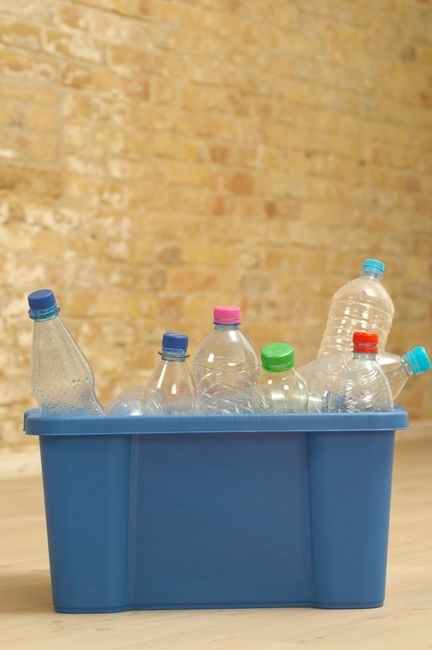
Residents are encouraged to use the county’s Recycling Rewards program, earning points for each qualifying item․ Points can be redeemed for utility bill discounts or donated to schools for environmental projects․ The program dashboard tracks contributions and offers monthly challenges․
For updates, subscribe to county newsletter and receive daily tips․