Discover New Mexico’s flora with this guide, featuring taxonomic keys and plant descriptions, helping you identify over 4,000 vascular plants.
Overview of New Mexico’s Flora
New Mexico’s flora is diverse, with various plant species found throughout the state. The flora includes native and introduced species, with many endemic species that can only be found in New Mexico. The state’s unique geography and climate support a wide range of plant communities, from deserts to mountainous regions.
The flora of New Mexico is characterized by its adaptability to the state’s arid and semi-arid conditions, with many plant species having evolved unique mechanisms to conserve water. The state’s flora also plays a crucial role in supporting its wildlife, with many plant species providing food and shelter for various animals.
Overall, New Mexico’s flora is a vital component of the state’s ecosystem, and understanding its diversity and complexity is essential for conservation and management efforts. With its unique and diverse flora, New Mexico offers a fascinating opportunity for botanical exploration and discovery.
The flora of New Mexico is also influenced by its geological history, with many plant species having evolved in response to the state’s complex geology. The state’s flora has also been shaped by its climate, with many plant species having adapted to the state’s hot and dry conditions.
In addition to its native flora, New Mexico is also home to many introduced species, which have been introduced to the state through human activity. These introduced species can often outcompete native species for resources, and can alter the state’s ecosystem in significant ways.
Understanding the flora of New Mexico is essential for conservation and management efforts, as well as for appreciating the state’s natural beauty. By studying the state’s flora, we can gain a deeper understanding of the complex relationships between plants and their environment, and can work to protect and preserve the state’s unique and diverse flora.
The flora of New Mexico is a vital component of the state’s ecosystem, and plays a crucial role in supporting the state’s wildlife and ecological processes. By understanding and appreciating the state’s flora, we can work to protect and preserve the state’s natural beauty for future generations.
Overall, the flora of New Mexico is a unique and diverse component of the state’s ecosystem, and plays a crucial role in supporting the state’s wildlife and ecological processes. By studying and appreciating the state’s flora, we can gain a deeper understanding of the complex relationships between plants and their environment, and can work to protect and preserve the state’s unique and diverse flora for future generations.
Plant Classification and Identification
Use taxonomic keys and plant descriptions to identify species, understanding characteristics and features to classify plants accurately, utilizing guides and resources for effective identification.
Taxonomic Keys and Plant Descriptions
Utilize taxonomic keys to identify plant species, understanding characteristics such as leaf shape, flower color, and growth habits. Plant descriptions provide detailed information on species, including habitat, distribution, and ecological roles.
- Keys are essential for accurate identification.
- Descriptions offer in-depth information on plant species.
By combining taxonomic keys and plant descriptions, users can effectively identify and understand the diverse flora of New Mexico, exploring the unique characteristics of each species and their roles in the ecosystem, making it an invaluable resource for botanists, conservationists, and nature enthusiasts alike, providing a comprehensive understanding of the plant kingdom in New Mexico.
Plant Community Types and Elevation Ranges
Explore New Mexico’s diverse plant communities, ranging from low-elevation deserts to high-elevation alpine zones. Elevation ranges play a crucial role in shaping plant distributions and community types, with species adapting to unique environmental conditions;
- Desert communities dominate low-elevation areas.
- Montane forests thrive in mid-elevation zones.
- Alpine communities exist in high-elevation areas.
Understanding plant community types and elevation ranges is essential for effective conservation and management of New Mexico’s unique ecosystems, allowing for informed decision-making and strategic planning to protect and preserve the state’s biodiversity, which is critical for maintaining ecological balance and ensuring the long-term health of New Mexico’s plant communities. By examining plant community types and elevation ranges, researchers and conservationists can gain a deeper understanding of the complex relationships between plants, environment, and climate, ultimately informing effective conservation strategies and management practices.
Types of Plants Found in New Mexico
Discover diverse plant species in New Mexico, including trees, shrubs, wildflowers, and grasses, with unique characteristics and adaptations.
Ponderosa Pine Forests and Piñon-Juniper Woodlands
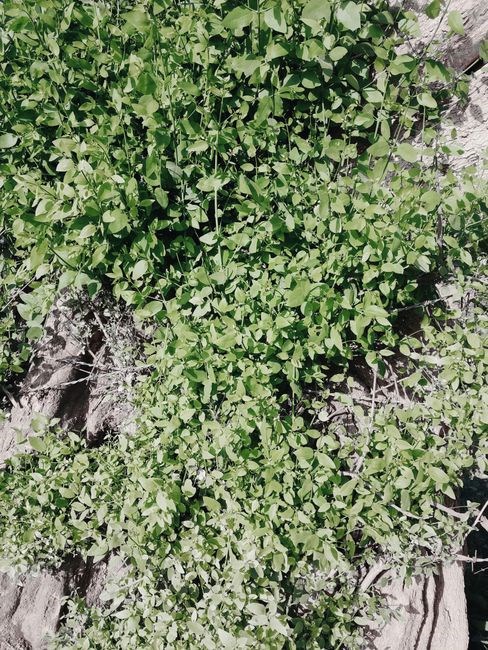
Explore Ponderosa Pine Forests and Piñon-Juniper Woodlands in New Mexico, featuring dominant tree species like Ponderosa Pine and Piñon Pine, with associated shrubs and herbaceous plants.
These forests and woodlands provide habitat for various wildlife species, and support ecosystem services like soil conservation and water cycling.
Learn to identify characteristic plants of these ecosystems, including trees, shrubs, and wildflowers, using taxonomic keys and descriptive descriptions.
Understand the importance of conservation efforts in these ecosystems, and how to sustainably manage natural resources in New Mexico’s forests and woodlands.
Bosque (Riparian) Forest and Wetland Plants
Delve into Bosque (Riparian) Forests and Wetland Plants in New Mexico, characterized by riparian zones along rivers and streams, supporting diverse plant communities.
Discover unique plant species adapted to aquatic environments, such as cattails and water lilies, and learn to identify characteristic plants of these ecosystems.
Explore the importance of riparian zones in maintaining water quality and supporting wildlife habitats, and understand the challenges faced by these ecosystems due to human activities and climate change.
Learn about conservation efforts aimed at protecting and restoring Bosque (Riparian) Forests and Wetland Plants in New Mexico, and how to contribute to these efforts through responsible land use and sustainable practices.
Utilize taxonomic keys and descriptive descriptions to identify plant species and understand their ecological roles in these unique ecosystems.
Plant Identification Resources
Utilize online databases and field guides to aid in plant identification, featuring color photos and detailed descriptions of New Mexico’s flora, with links to expert resources.

New Mexico Range Maps and Color Photos
Explore New Mexico’s diverse flora with range maps and color photos, providing visual aids for identification. These maps and images showcase plant distributions across the state, helping users verify identifications. With over 450 illustrations and detailed descriptions, users can confidently identify species. The colorful county maps display species distribution in New Mexico, making it easier to locate and identify plants in their natural habitats. By utilizing these resources, users can gain a deeper understanding of New Mexico’s unique flora and develop their plant identification skills.
These maps and photos are essential tools for botanists, naturalists, and anyone interested in exploring New Mexico’s plant life, providing a comprehensive guide to the state’s flora.
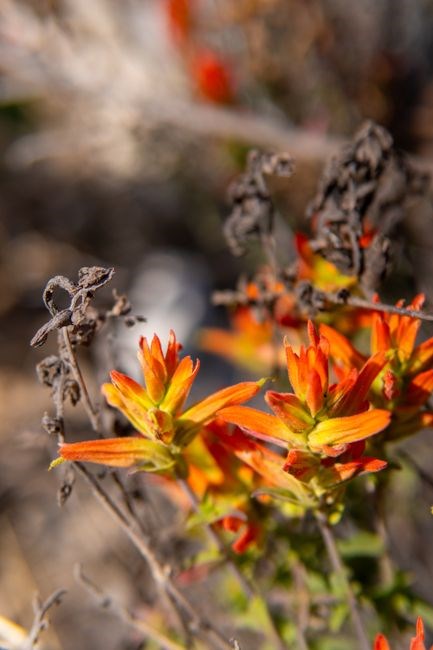
With the combination of range maps and color photos, users can effectively identify plants and learn about their habitats, characteristics, and distributions across New Mexico, making it an invaluable resource for plant enthusiasts.
Illustrations and Botanical Descriptions
The illustrations in this guide are finely detailed, showcasing the important characteristics of each species. With over 450 illustrations, users can visually identify plants and learn about their unique features. The botanical descriptions provide detailed information on plant morphology, habitat, and distribution, making it easier to identify and understand the flora of New Mexico.
These illustrations and descriptions are essential tools for botanists, researchers, and naturalists, providing a comprehensive guide to the plant life of New Mexico. By combining visual aids with detailed descriptions, users can confidently identify species and gain a deeper understanding of the state’s flora.
The illustrations are accurately rendered, showcasing the unique features of each plant, while the botanical descriptions provide in-depth information on plant characteristics, habitat, and distribution, making this guide an invaluable resource for plant enthusiasts and researchers alike.
With the combination of illustrations and botanical descriptions, users can effectively learn about the flora of New Mexico and develop their plant identification skills, making it an essential tool for anyone interested in botany and plant science.
Native and Adaptive Plants
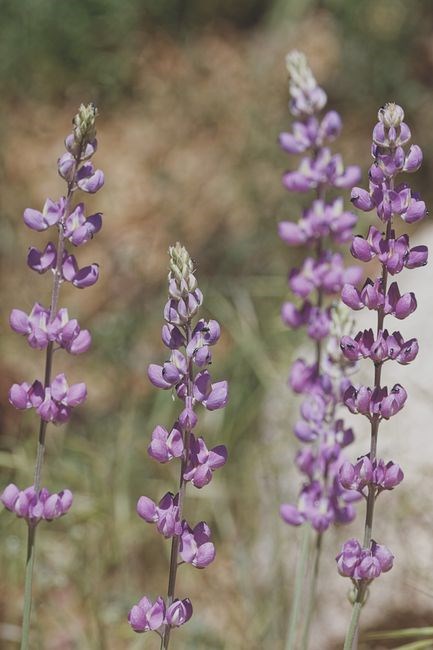
Explore native and adaptive plants in New Mexico, with a focus on low-water-use species, ideal for landscaping and conservation efforts, using expert-recommended lists.
New Mexico Interactive Plant List
The New Mexico interactive plant list is a valuable resource, featuring hundreds of low-water-use, native, and adaptive plants that thrive in New Mexico’s climate. This list is expert-recommended and includes a wide range of species, from trees and shrubs to wildflowers, grasses, and groundcovers. The list also provides information on pollinator-friendly plants and toxic plants to avoid. With its user-friendly interface and detailed descriptions, the New Mexico interactive plant list is an essential tool for landscapers, gardeners, and nature enthusiasts alike. Whether you’re looking to create a drought-resistant garden or simply want to learn more about the unique plants of New Mexico, this list is a great place to start. By exploring the interactive plant list, you can discover new species, learn about their habitat and ecological requirements, and find inspiration for your next gardening project. With its wealth of information and easy-to-use format, the New Mexico interactive plant list is a must-have resource for anyone interested in plant identification and conservation in New Mexico.
and Further Reading
In conclusion, the New Mexico plant identification guide is a comprehensive resource for anyone interested in botany and conservation in the state. For further reading, explore the USFS State of New Mexico 2014 Wetland Plant List and Plants of New Mexico series, which provide detailed information on plant species and habitats. Additional resources include online databases and field guides specific to New Mexico’s flora. By continuing to learn about the state’s unique plant species and ecosystems, individuals can contribute to conservation efforts and protect the natural beauty of New Mexico for future generations. Recommended reading includes Plant Associations of Arizona and New Mexico and native plant guides for the Southwestern United States. These resources will enhance your understanding of New Mexico’s plant diversity and provide a foundation for further study.